English
  فارسی
فارسی 
1.Operational effectiveness is not strategy, during the last two decades organizations learned that they need to be flexible to answer the market’s changes and competitions and to achieve the best operation they need to benchmark and if needed outsource to achieve efficiency. They also need to develop some core competency to overtake rivals. But these beliefs are only half of the truth and it lures a lot of companies to a two-way destructive competition. It is true that a lot of cumbersome rules of competition has been omitted due to globalization, and that organizations invested to become faster, but to most industries what is named hyper competition is a self-harm.
The root of this problem is not to distinguish between strategy and operational effectiveness. Intense tendency to quality, speed and efficiency caused extensive expansion of management’s tools and techniques like total quality management (TQM) of benchmarking, outsourcing, management reengineering and change management. Despite the fact the result of effectiveness were impressive, most companies are dissatisfied with conversing these achievements to sustainable profitability. Strategy has been replaced by these management tools and techniques gradually.
Operational effectiveness: necessary but not enough
Operational effectiveness and strategy are both necessary to achieve efficiency which is the main goal of each company, However they are different in performance. There is only one way for a company to stand out amongst its rivals which is to make a distinction and try to preserve the quality and value or improve it, or offer a lower price for the same quality or even offer lower price for a better quality and value. All the differences in different company’s product’s price are for different activities such as: production, selling and distribution of products and services. We stand out amongst our rivals by the choice of activities and performance. As a result the activities of the main units are the competitive advantage. The total advantage or disadvantage, is the result of a collection of activities not some of them.
A company can outperform rivals only if it can establish a difference that it can preserve
Operational effectiveness means doing the same activities better than our rivals, it includes efficiency but it’s not limited to that. It means the activities that cause a better usage of the sources in an organization like waste reduction in production line or the faster development of the product.
Unlike the operational effectiveness, strategic positioning reflects different activities or doing the same activities better than rivals. In 1980 operational effectiveness differences were the main challenge between Japanese and western companies. By the arrival of new technology productivity frontier is constantly moving outwards (becomes better). However you can find a few companies whom have been successfully in competition due to operational effectiveness, it is getting harder every day to stand out amongst your rivals. The most obvious reason is that rivals can quickly copy the management techniques, new technologies and find better ways to fulfill the customer’s needs. However competition makes absolute improvement in operational effectiveness, it doesn’t end to relative improvement to anybody. Companies in the same industry (for instance printing industry) are in intense competition, present the same technology, had an intense investment on the same equipment and reduce the employees. But the major efficiency which is the result of all above activities is not acquired and they don’t lead companies to a better profitability. Even the profitability of leading companies has been reduced significantly. Even the Japanese who are known as leaders to new competitions are suffering from the reduction of the profits. Second reason for the insufficiency of improvement in operational effectiveness is the hidden Competitive Convergence. The more companies benchmark, the more similar they become. The more companies outsource the more similar they become. The more these similarities increase, the strategies converge and competition becomes an issue with a clear path that nobody is going to win. Competing only based on operational effectiveness, is a two-way destruction and creates an attrition warfare which can only be stopped by competition restriction.
After a decade of significant profitability arising from the operational effectiveness, a lot of companies face a reduction on their profit. The result of this erosive competition is the unchanged or reduced price or a pressure on companies due to the costs during long-term investment.
2.Strategy relies on unique activities
Competitive strategy is about being different and is about considerable choice of a collection of activities which causes to a mixture of unique values.
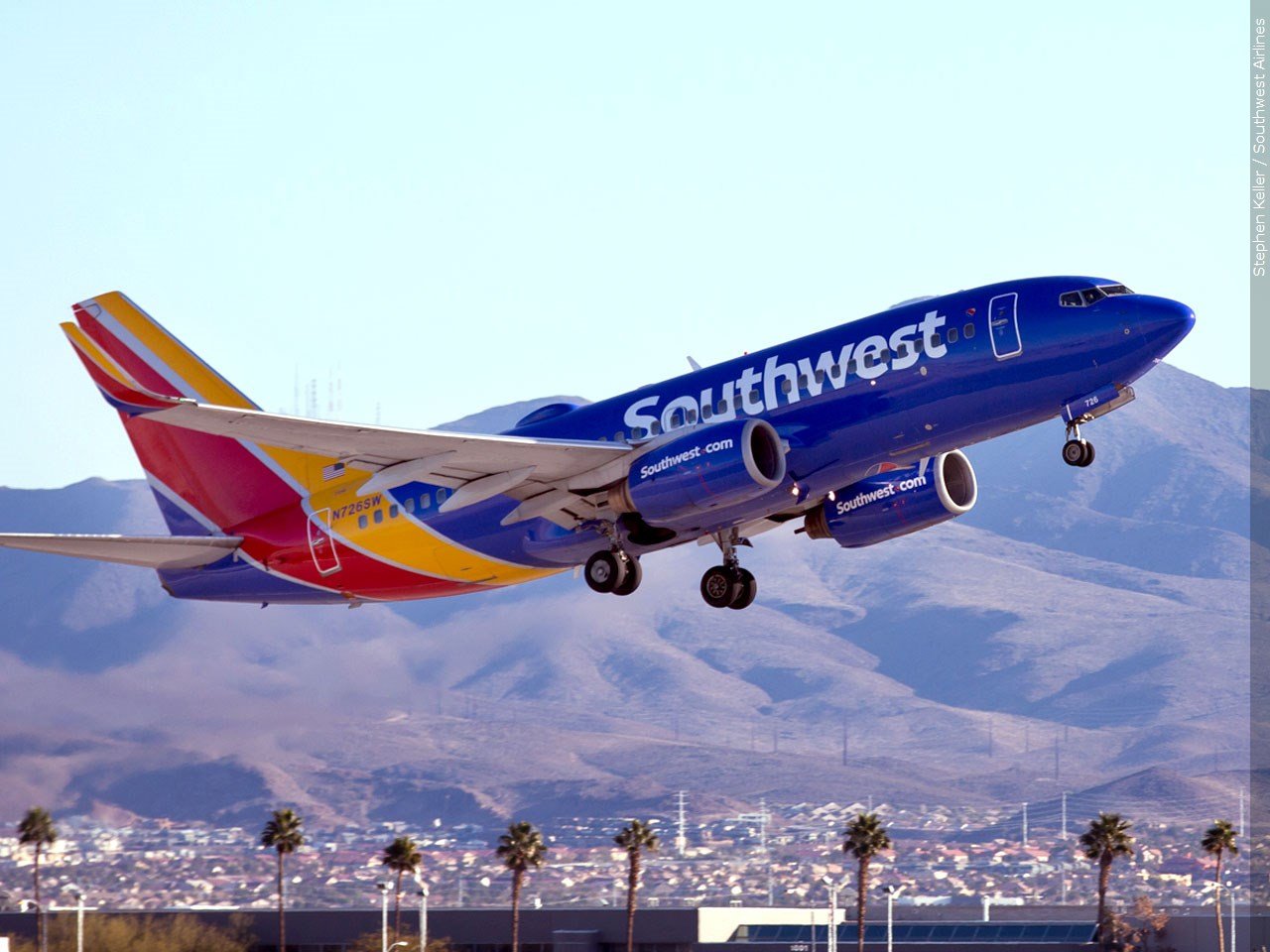
For instance Southwest airline provides short-distance, low-cost, direct transportation services between medium-sized cities and second-class airports in major cities. Southwest avoids big airports and long-distance flights. The company’s customers include businessmen, families and students. The number of flights and low cost attracts price-sensitive customers who would otherwise travel by bus or car, and travelers who seek a comfortable travel and otherwise choose a full-service airline. Most managers define strategic orientation based on their customers. Southwest airline gives services to price-sensitive customers who look for a comfortable travel. But the essence of strategy is hidden in activities.
The essence of strategy is choosing to perform activities differently than rivals do
As mentioned before doing different activities or the same one in a different way from the rivals. Otherwise strategy is nothing more than a slogan which cannot resist against rivals. Southwest acted differently from an airline that can transport passengers from almost anywhere to their destination and offers a variety of services. Southwest has set up all its activities to provide convenient and low-cost services on special routes. By reducing the airplane stopping time to 15 minutes it was able to keep its aircrafts flying longer than its rivals and has more flights with fewer airplanes. It doesn’t serve food, doesn’t have first class and does not transfer luggage to other airlines. But ticket sales on gates automatically allows people to save time from going to the travel agencies and save money by omitting commission

Southwest has chosen a unique strategic position based on a number of related activities. Companies that provide full service cannot provide the low-cost, comfortable flight on the routs that southwest provides.
Based on the article (what is Strategy) summarized By: Ahmadreza Ahrarnejad
This post is also available in: Persian