English
  فارسی
فارسی 
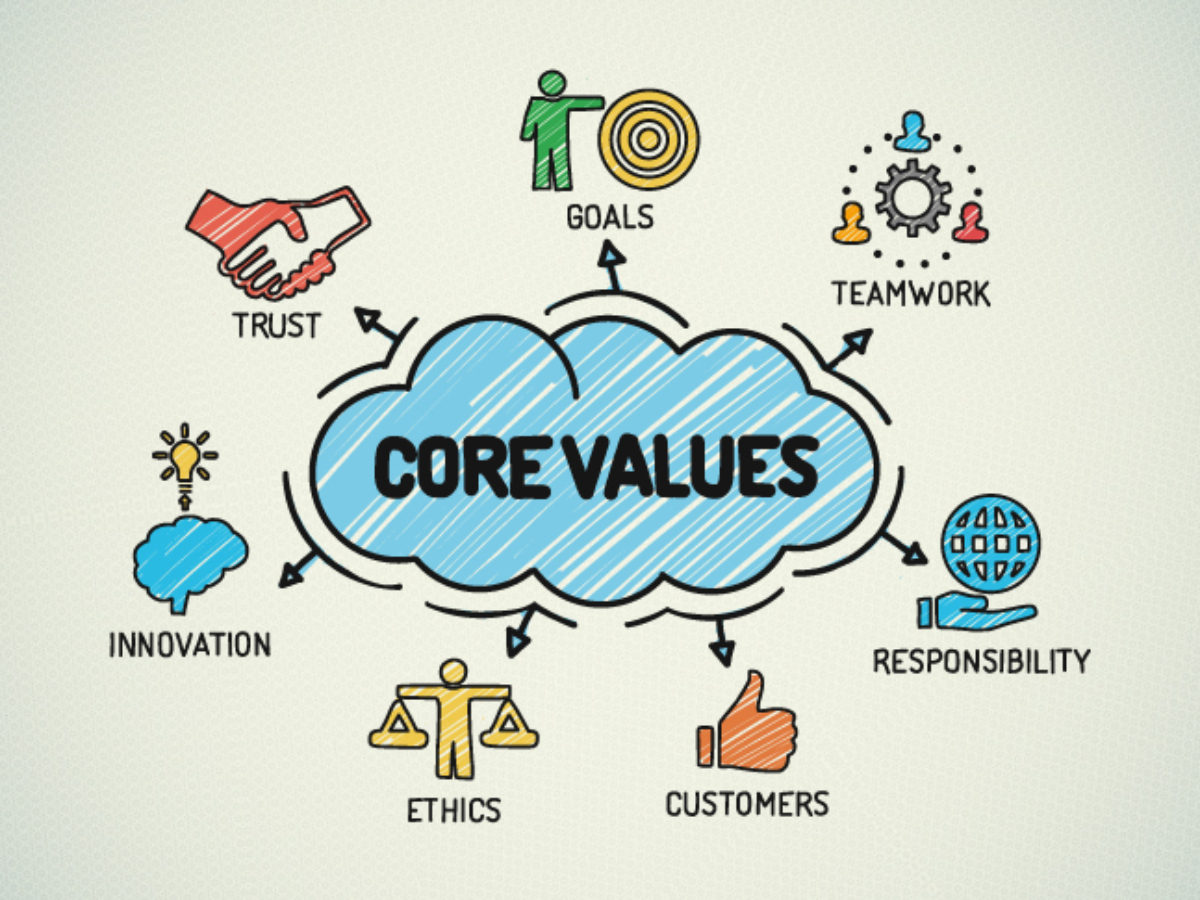
Organizational values are guiding principles in which the whole organization is committed to. They go beyond any rules and regulations.
All strategies, tactics, plans and actions must be formulated with regard to these values, and no one in the company is allowed to do the opposite, not even the CEO!
Collins and Porras point out that values do not change during time, they are permanent, however every other things around them may be temporary.
“Being committed to the organizational key values is painful!”
Patrick Lencioni declares that the common weakness of value statements is that they are most of the time dishonest! For example Enron declared its values (respect, efficient communication, honesty and excellence) however it is one of the most dishonest, untrustworthy companies has anyone ever heard of!
The problem is that many managers do not believe organizational values as a serious issue, if they did, they might revise their list of organizational values.
Here are some difficulties of defining values listed by Lencioni:
– Identifying organizational values limits your options: there used to be 10 options to make a key strategic decision. Nowadays you may have to set aside 7 options from the beginning because they are in contrast with your key values and be limited to choose from the remaining 3 options.
– Identifying organizational values will take a number of employees away: imagine you announce teamwork as one of your organizational values. If your best employee says, “teamwork is an alien concept in our country, it does not work here” he must be immediately asked to leave the company. Do you dare to do that? If not, it is better not to define organizational values.
– Identifying organizational values may put senior managers in the risk of being criticized!: Normally, managers are the ones who criticize their employees and the employees are the ones to be criticized silently, even if they say something, they are not going to be taken too seriously. But when the organizational values are set precisely, everyone in the organization has the right to criticize the one who does not follow the values and this is difficult for many managers to accept.
In simple words, defining values should be accompanied by pain and fear. If you see a manager coming out of a meeting happy and smiling and saying that we have set our organizational values, you can guess that he does not have a good understanding of the value and its function.
Lencioni says that defining values would take months if managers knew what they were doing; no one is able to define the values after a short meeting!
from “Motamam” Website
This post is also available in: Persian